
What Makes a Bike Comfortable for Daily Riding?
Introduction
For daily riders, motorcycle comfort is just as important as performance and mileage. A bike may look stylish and offer strong performance, but if the riding position, seat, suspension, or controls are uncomfortable, everyday journeys can quickly become tiring.
Whether you commute to work, travel through busy city roads, or regularly ride longer distances, understanding what makes a bike comfortable can help you choose the right motorcycle.
What Makes a Bike Comfortable for Daily Riding?
Several factors work together to determine motorcycle comfort, including:
-
Riding position
-
Seat design
-
Seat height
-
Suspension
-
Handlebar position
-
Footpeg placement
-
Bike weight
-
Engine smoothness
-
Vibration levels
-
Tyres
-
Braking and clutch feel
Let's look at each factor in detail.
1. Comfortable Riding Position
The riding position has a major impact on everyday comfort.
A more natural riding posture can reduce unnecessary pressure on the:
-
Back
-
Shoulders
-
Wrists
-
Neck
-
Legs
An upright riding position is often practical for city commuting because it provides a good view of traffic while keeping the rider relatively relaxed.
Sports-oriented motorcycles may use a more forward-leaning position, which can provide a more engaging riding experience but may feel different during long periods of city riding.
2. Seat Comfort and Design
The motorcycle seat is one of the first things riders notice during a long journey.
A comfortable seat should provide adequate:
-
Cushioning
-
Width
-
Support
-
Rider movement
-
Seating space
Seat comfort becomes especially important when commuting for extended periods or taking long-distance trips.
However, a softer seat is not always better. Proper support and ergonomic design are also important.
3. Seat Height
Seat height affects both comfort and confidence.
If the seat is too high for a rider, stopping in traffic can become difficult. If it is too low, the riding position may feel cramped.
When choosing a motorcycle, consider:
-
Your height
-
Leg length
-
Foot reach
-
Riding posture
-
Ability to comfortably control the bike when stopped
A suitable seat height can make everyday riding much easier.
4. Suspension Quality
Suspension plays a major role in motorcycle comfort.
Good suspension helps absorb bumps, potholes, uneven surfaces, and road imperfections.
For daily riding, suspension should provide a balance between:
-
Comfort
-
Stability
-
Control
-
Road feedback
This is particularly important on roads where surfaces can vary significantly during a daily commute.
5. Handlebar Position
Handlebar position affects your arms, shoulders, wrists, and overall posture.
A comfortable handlebar should allow the rider to maintain a natural position without excessive pressure on the wrists.
For daily commuting, easy access to:
-
Brake lever
-
Clutch lever
-
Throttle
-
Switches
can also improve the overall riding experience.
6. Footpeg Position
Footpeg placement affects leg position and overall ergonomics.
A comfortable setup should provide enough space for the rider's legs without creating unnecessary pressure on the knees or hips.
This becomes even more important during long-distance riding.
7. Bike Weight and Balance
Motorcycle weight isn't only about the number shown on the specification sheet.
How the weight is distributed also affects comfort.
A well-balanced motorcycle can feel easier to:
-
Maneuver through traffic
-
Make U-turns
-
Park
-
Control at low speeds
-
Handle during stops
For city riders, easy low-speed control can make a significant difference.
8. Engine Smoothness and Vibration
Engine vibration can become uncomfortable during extended riding.
A smoother engine can reduce fatigue in the:
-
Hands
-
Feet
-
Seat
-
Handlebar
-
Overall body
When comparing motorcycles, don't look only at horsepower and torque. The way the engine delivers its performance also matters for everyday comfort.
9. Clutch and Gearbox Feel
Daily city riding often involves frequent gear changes.
A light and predictable clutch can make stop-and-go traffic less tiring.
A smooth gearbox can also make it easier to:
-
Change gears
-
Accelerate smoothly
-
Slow down
-
Ride through congested roads
These small details can have a major effect on everyday usability.
10. Tyres and Road Grip
Tyres contribute to both comfort and safety.
The right tyres can provide a good balance between:
-
Grip
-
Stability
-
Handling
-
Road feedback
Tyre pressure is also important. Incorrect tyre pressure can affect both comfort and handling.
Always follow the manufacturer's recommended tyre pressure.
City Riding vs Long-Distance Comfort
The definition of a comfortable bike can change depending on how you use it.
|
Factor |
City Riding |
Long-Distance Riding |
|
Riding Position |
Upright & easy |
Relaxed & supportive |
|
Seat |
Comfortable |
Comfortable for extended periods |
|
Suspension |
Good bump absorption |
Comfort + stability |
|
Weight |
Easy maneuverability |
Stable at speed |
|
Engine |
Smooth response |
Smooth cruising |
|
Handlebar |
Easy control |
Reduced rider fatigue |
|
Fuel Range |
Moderate |
Higher preferred |
Is a Sports Bike Comfortable for Daily Riding?
A sports bike can absolutely be used for daily riding, but comfort depends on the specific motorcycle and rider.
Sports bikes generally prioritize:
-
Performance
-
Handling
-
Acceleration
-
Sporty ergonomics
A rider who enjoys a sporty riding position may find one comfortable, while another rider may prefer the upright ergonomics of an adventure or commuter motorcycle.
That's why a test ride is important before buying.
Are Adventure Bikes Comfortable for Daily Riding?
Adventure motorcycles can offer several features that make them suitable for everyday use, including:
-
Upright riding position
-
Comfortable ergonomics
-
Higher ground clearance
-
Versatile suspension
-
Good road visibility
Their versatility can make them suitable for riders who combine daily commuting with highway or long-distance riding.
How TARO Bikes Fit Different Comfort Needs
TARO's motorcycle range includes options designed around different riding styles.
TARO Ranger
The TARO Ranger is positioned toward adventure and touring-oriented riding. Its overall category makes it relevant for riders who want versatility and comfort for longer journeys.
TARO Grand Imola ADV 165
The TARO Grand Imola ADV 165 is an adventure-oriented 165cc motorcycle. It can appeal to riders looking for a combination of everyday usability and longer-distance riding capability.
TARO GP 2
The TARO GP 2 is focused more toward sporty riding. Riders who prioritize performance and sporty ergonomics may find this type of motorcycle more suitable.
TARO GP1 Version 4
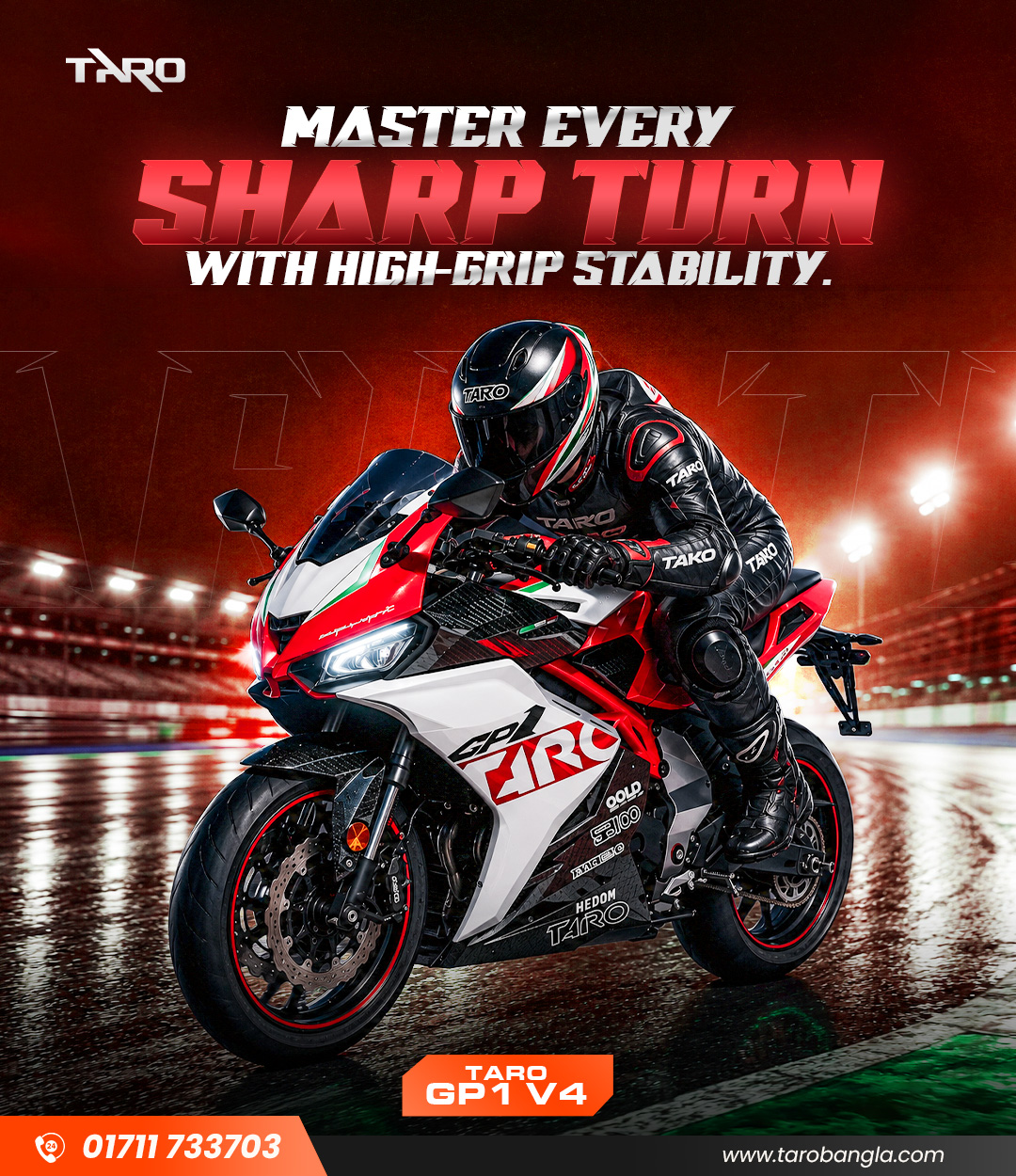
The TARO GP1 Version 4 is another sports-oriented option for riders who prefer a sporty motorcycle experience.
How to Check Bike Comfort Before Buying
Before purchasing a motorcycle, don't rely only on specifications or photos.
Take a test ride and check:
-
Can you comfortably reach the ground?
-
Does the seat provide enough support?
-
Are your wrists comfortable?
-
Does the handlebar feel natural?
-
Is the riding position comfortable?
-
Can you easily operate the clutch and brakes?
-
Does the suspension handle uneven roads well?
-
Can you control the motorcycle comfortably at low speeds?
These checks can help you determine whether a motorcycle actually suits your body and riding style.
Common Mistakes That Reduce Riding Comfort
Choosing Only Based on Appearance
A motorcycle can look impressive but still feel uncomfortable for everyday use.
Ignoring Seat Height
Seat height can significantly affect control and confidence.
Focusing Only on Engine Power
More power does not automatically mean more comfort.
Ignoring Suspension
Poor suspension setup can make rough roads much more tiring.
Not Taking a Test Ride
Specifications cannot tell you exactly how a motorcycle will feel to your body.
FAQs
What makes a bike comfortable for daily riding?
A comfortable motorcycle usually combines good ergonomics, a supportive seat, suitable suspension, manageable weight, smooth engine performance, and an appropriate riding position.
Is a commuter bike more comfortable than a sports bike?
Commuter bikes generally prioritize everyday comfort and practicality, while sports bikes focus more on performance and handling. However, comfort depends on the specific motorcycle and rider.
Is an adventure bike good for daily commuting?
Yes. Adventure bikes can be suitable for daily commuting because of their upright riding position, versatility, and suspension characteristics.
Does seat height affect motorcycle comfort?
Yes. The right seat height helps riders maintain a natural leg position and improves confidence when stopping and maneuvering.
Does suspension affect bike comfort?
Yes. Suspension helps absorb road imperfections and contributes significantly to comfort and stability.
Should I take a test ride before buying a bike?
Absolutely. A test ride lets you evaluate the seat, riding position, handlebar, suspension, clutch, gearbox, braking, and overall comfort.
Conclusion
A comfortable motorcycle is not defined by one specification. Seat design, riding position, suspension, seat height, handlebar placement, weight, engine smoothness, tyres, and controls all contribute to the overall riding experience.
For daily riding, choose a motorcycle that matches your body, route, riding style, and distance. Whether you prefer a commuter, sports, or adventure motorcycle, the best choice is the one that keeps you comfortable and confident throughout your everyday journeys.