
Sports Bike vs Adventure Bike: Understanding the Differences
Choosing the right motorcycle depends on more than just design or engine size. Your riding style, road conditions, daily travel distance, comfort requirements, and performance expectations all influence which type of bike is right for you.
Two popular motorcycle categories are sports bikes and adventure bikes. Both can deliver strong performance, but they are designed with different priorities in mind.
In this guide, we'll explain the key differences between a sports bike and an adventure bike and help you understand which type may better suit your riding needs.
What Is a Sports Bike?
A sports bike is designed primarily around performance, responsive handling, acceleration, and sporty styling. These motorcycles are generally built for riders who enjoy an engaging riding experience on paved roads.
Sports bikes typically feature:
-
Performance-focused engines
-
Sporty body design
-
Responsive handling
-
Performance-oriented suspension
-
Strong braking performance
-
Sportier riding ergonomics
-
Good acceleration
Sports bikes can be suitable for city riding, highway travel, and recreational riding, depending on the particular model and its specifications.
What Is an Adventure Bike?
An adventure bike, often called an ADV motorcycle, is designed to provide greater versatility across different types of roads.
Adventure motorcycles generally emphasize comfort, ground clearance, suspension capability, upright ergonomics, and long-distance usability.
Common adventure bike characteristics include:
-
Upright riding position
-
Higher ground clearance
-
Comfortable suspension
-
Versatile road capability
-
Touring-friendly ergonomics
-
Stable handling
-
Practical long-distance performance
Adventure bikes can be useful for riders who combine everyday commuting with highway trips, touring, and travel across varied road conditions.
Sports Bike vs Adventure Bike: Key Differences
The biggest difference between these two categories is their design purpose.
|
Feature |
Sports Bike |
Adventure Bike |
|
Primary Focus |
Performance |
Versatility |
|
Riding Position |
Sportier |
Upright |
|
Handling |
Agile and responsive |
Stable and versatile |
|
Ground Clearance |
Generally lower |
Generally higher |
|
Suspension |
Performance-focused |
Comfort and road versatility |
|
City Riding |
Good |
Good |
|
Highway Riding |
Excellent |
Excellent |
|
Long-Distance Riding |
Model-dependent |
Generally well suited |
|
Rough Roads |
Less suitable |
More suitable |
|
Styling |
Aggressive/sporty |
Adventure-oriented |
1. Riding Position
One of the most noticeable differences is the riding position.
Sports Bike Riding Position
Sports bikes generally use a more forward-oriented riding posture. This position can provide better control during performance-oriented riding and cornering.
However, riders should consider whether this position is comfortable for their daily commute or longer journeys.
Adventure Bike Riding Position
Adventure motorcycles generally provide a more upright riding position.
This can help provide:
-
Better visibility
-
Relaxed posture
-
Easier long-distance riding
-
Reduced pressure on the wrists
-
Greater overall riding comfort
For riders who spend several hours on a motorcycle, ergonomics can be particularly important.
2. Performance
Sports bikes generally place greater emphasis on performance.
They are designed to provide responsive acceleration, precise handling, and an engaging riding experience.
Adventure bikes also provide strong performance, but their design typically focuses more on balanced performance and versatility rather than purely sporty characteristics.
When comparing motorcycles, don't look only at horsepower. Consider:
-
Torque
-
Engine response
-
Motorcycle weight
-
Gear ratios
-
Suspension
-
Braking
-
Overall handling
3. Handling
Sports bikes are generally designed for responsive handling and quick changes in direction.
This can make them enjoyable for:
-
Cornering
-
Paved roads
-
Highway riding
-
Performance-oriented riding
Adventure bikes tend to prioritize stability and versatility.
Their geometry, riding position, suspension, and ground clearance can make them suitable for a wider variety of road conditions.
4. Ground Clearance
Ground clearance is an important consideration when comparing sports and adventure motorcycles.
Sports bikes typically have a lower profile because they are primarily designed for paved-road performance.
Adventure bikes generally offer greater ground clearance, which can be useful when riding over:
-
Uneven roads
-
Speed breakers
-
Broken pavement
-
Gravel roads
-
Rougher surfaces
For riders who frequently encounter different road conditions, higher ground clearance can be a practical advantage.
5. Suspension
Suspension has a major effect on both comfort and control.
Sports bikes generally use suspension setups that emphasize handling and road feedback.
Adventure bikes typically focus more on absorbing uneven surfaces while maintaining stability.
If your daily routes include poor road surfaces, an adventure-oriented motorcycle may provide greater versatility.
6. City Riding
Both sports and adventure bikes can be used for city riding, but the experience can be different.
Sports Bike in the City
Advantages may include:
-
Quick acceleration
-
Responsive handling
-
Sporty riding experience
-
Easy maneuverability on suitable models
However, a sportier riding position may not suit every rider during long periods of stop-and-go traffic.
Adventure Bike in the City
Adventure motorcycles can offer:
-
Upright ergonomics
-
Good visibility
-
Higher ground clearance
-
Comfortable suspension
-
Versatile handling
The best option depends on your personal comfort and the conditions of your daily route.
7. Highway Riding
Both categories can work well for highway riding.
A sports bike may appeal to riders who prioritize:
-
Acceleration
-
Handling
-
Performance
-
Responsive controls
An adventure bike may be more appealing to riders who prioritize:
-
Comfort
-
Stable riding
-
Longer-distance capability
-
Versatility
If you regularly travel long distances, comfort and riding position become just as important as engine performance.
8. Long-Distance Riding
Adventure motorcycles generally have an advantage when the primary goal is long-distance touring.
Their upright riding position and comfort-oriented design can make extended rides easier for many riders.
However, a sports bike can also be used for long-distance travel if its ergonomics and specifications suit the rider.
Before choosing a motorcycle for touring, consider:
-
Seat comfort
-
Riding position
-
Suspension
-
Fuel tank capacity
-
Engine performance
-
Wind protection
-
Storage options
-
Rider fatigue
9. Rough and Uneven Roads
This is another area where adventure bikes generally have an advantage.
Higher ground clearance and a more versatile suspension setup can make an adventure motorcycle better suited to uneven surfaces.
Sports bikes are generally more appropriate for paved roads where their handling and performance characteristics can be fully utilized.
10. Fuel Economy and Running Costs
Fuel economy depends on many factors, including engine size, weight, riding style, traffic, and engine tuning.
Neither category automatically guarantees better mileage.
Before buying a motorcycle, consider the complete ownership cost, including:
-
Fuel
-
Engine oil
-
Tyres
-
Brake pads
-
Chain and sprocket
-
Regular servicing
-
Replacement parts
A motorcycle that fits your riding requirements can often provide better value over the long term.
Sports Bike vs Adventure Bike: Which Is Better for Daily Riding?
The answer depends on what you expect from your motorcycle.
Choose a Sports Bike If You Want:
-
Sporty styling
-
Responsive handling
-
Strong performance
-
Quick acceleration
-
Performance-oriented riding
-
Mainly paved-road riding
Choose an Adventure Bike If You Want:
-
Comfortable ergonomics
-
Upright riding position
-
Higher ground clearance
-
Better road versatility
-
Long-distance capability
-
A combination of city, highway, and touring use
Sports Bike vs Adventure Bike for Different Riders
|
Rider Type |
Better Choice |
|
Performance-focused rider |
Sports Bike |
|
Daily city commuter |
Either, depending on comfort |
|
Highway rider |
Either |
|
Long-distance rider |
Adventure Bike |
|
Touring enthusiast |
Adventure Bike |
|
Sporty riding enthusiast |
Sports Bike |
|
Rider facing uneven roads |
Adventure Bike |
|
Rider prioritizing versatility |
Adventure Bike |
How TARO Fits Into These Two Categories
TARO offers motorcycles suited to different riding preferences, allowing riders to choose according to their intended use.
TARO GP 2
The TARO GP 2 is a sports-oriented motorcycle suited to riders who prioritize sporty styling, performance, and an engaging riding experience.
It can be considered by riders who mainly use paved roads and want a more performance-focused motorcycle.
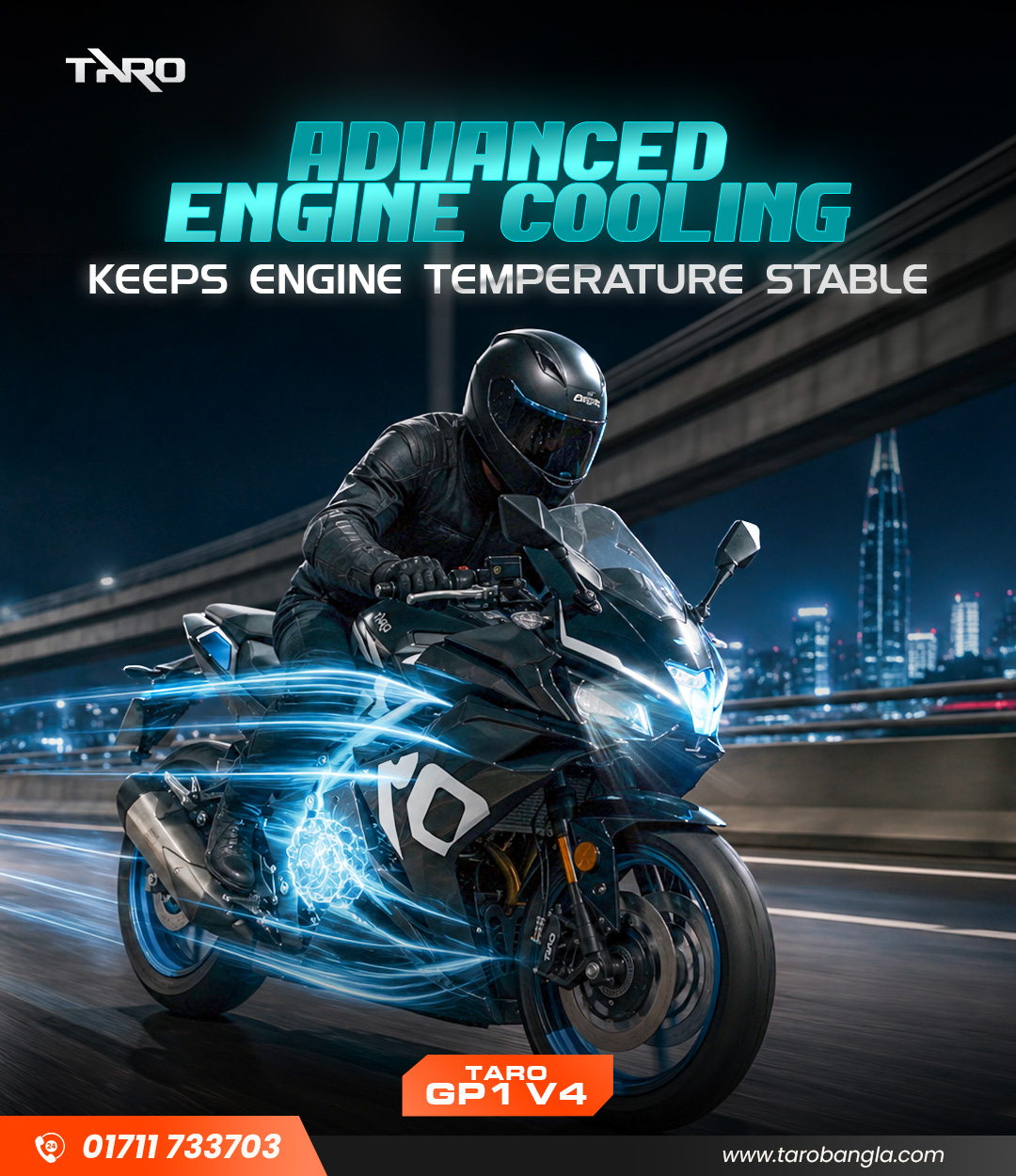
TARO GP1 Version 4
The TARO GP1 Version 4 is another sports-oriented option for riders looking for a sporty motorcycle experience.
Its positioning makes it relevant for riders who value performance-focused riding and sporty design.
TARO Grand Imola ADV 165
The TARO Grand Imola ADV 165 is an adventure-oriented motorcycle in the 165cc category.
It can be considered by riders looking for a versatile motorcycle suitable for city riding, highway travel, and longer journeys.
TARO Ranger
The TARO Ranger is positioned toward adventure and touring-oriented riding.
It can be a suitable option for riders who prioritize versatility, longer rides, and adventure-focused motorcycle characteristics.
What Should You Consider Before Choosing?
Before deciding between a sports bike and an adventure bike, ask yourself:
-
Where do I ride most often?
-
How many kilometers do I travel each day?
-
Do I mainly ride in the city or on highways?
-
Do I regularly take long-distance trips?
-
Do I prefer performance or comfort?
-
What type of road surfaces do I encounter?
-
What engine size fits my requirements?
-
What maintenance cost can I comfortably manage?
-
Is the seat height suitable for me?
-
Does the riding position feel comfortable?
A test ride can also help you understand how the motorcycle feels in real-world conditions.
FAQs
Is a sports bike better than an adventure bike?
Neither is universally better. Sports bikes focus more on performance and handling, while adventure bikes prioritize versatility, comfort, and long-distance capability.
Which is better for city riding?
Both can work for city riding. Your choice should depend on traffic conditions, riding position, motorcycle weight, seat height, and personal comfort.
Which is better for long-distance riding?
Adventure bikes are generally designed with long-distance comfort and versatility in mind. However, the suitability of a specific motorcycle depends on its ergonomics and specifications.
Which has better ground clearance?
Adventure motorcycles generally offer higher ground clearance than sports bikes, making them more suitable for uneven and varied road surfaces.
Are sports bikes good for highway riding?
Yes. Sports bikes can be suitable for highway riding because of their performance, acceleration, and handling characteristics.
Are adventure bikes good for daily commuting?
Yes. Their upright riding position, suspension, and versatility can make them practical for everyday city riding as well as longer trips.
Which bike type is better for beginners?
It depends on the motorcycle's engine size, weight, seat height, and ergonomics. Beginners should choose a motorcycle that they can comfortably control and handle.
Conclusion
The choice between a sports bike and an adventure bike ultimately depends on how and where you ride.
A sports bike is a strong choice for riders who prioritize performance, sporty styling, acceleration, and responsive handling.
An adventure bike is better suited to riders who prioritize comfort, versatility, higher ground clearance, and long-distance capability.
Before buying, consider your riding style, road conditions, daily distance, comfort, engine performance, maintenance requirements, and budget. The right motorcycle is the one that fits your actual riding needs—not simply the one with the most features or highest performance.