
What Makes a Good Bike for Long-Distance Travel? A Complete Rider's Guide
There is a particular kind of quiet that settles in at five in the morning, right before a long ride. The bags are strapped down, the fuel tank is full, and the road ahead is still empty. That is usually the moment a rider finds out whether they picked the right bike for the job.
Plenty of motorcycles look ready for a long haul in a showroom. Fewer of them actually feel ready three hours and two hundred kilometers later, once the novelty wears off and the body starts keeping score.
This guide walks through what actually makes a bike suited for long-distance travel, from engine character to seating position, so the next trip gets planned around the right machine instead of a good-looking one.
What Does Long-Distance Travel Really Mean on Two Wheels?
A bike built for long-distance travel is not the same as a bike built for the daily commute. Commuting is about short bursts, quick stops, and squeezing through gaps in traffic. Long-distance riding is closer to what the wider motorcycling world calls touring, where comfort, range, and stability over hours of continuous riding matter far more than a quick launch off the line.
That difference changes almost everything about what to look for on a spec sheet. A bike that feels sharp and exciting for a twenty-minute city ride can turn punishing on a five-hour highway stretch, simply because it was never designed to be ridden that long.
Understanding this distinction early saves riders from buying on looks alone and regretting it somewhere past the hundred-kilometer mark.
Engine Performance That Can Go the Distance
Smooth, Steady Power Beats Peak Power
A long-distance engine does not need to be the most powerful one on paper. It needs to deliver its power smoothly and predictably, without sudden surges that tire out the rider's wrist and forearm over hours of steady throttle.
Engines with a broad, usable spread of torque and power feel far more relaxed on a long ride than peaky engines that only come alive near redline. A rider should not have to work the gearbox constantly just to keep up a steady highway pace.
Reliability Under Sustained Running
Short rides rarely expose weaknesses in cooling, oil circulation, or vibration control. Long rides do. An engine that runs cool and steady for hours, without harsh vibration creeping into the handlebars and footpegs, is doing half the work of keeping a rider comfortable.
Why Highways Ask More of a Bike Than City Roads
City riding tests a bike in short, sharp bursts. A rider accelerates, brakes, weaves, and stops, often within the space of a single minute. None of that gives a bike enough time to reveal its long-distance weaknesses.
Highway riding is the opposite. The throttle stays open for minutes at a stretch, the engine holds a steady RPM for long periods, and small discomforts that would go unnoticed in traffic start compounding. A seat that feels fine for ten minutes can feel completely different after two hours at a steady cruising speed.
This is why a bike that feels perfectly capable during a quick showroom test ride can still turn out to be the wrong choice for a genuine long-distance trip. The only real test is time in the saddle, ideally on the kind of road the bike will actually be used on.
Riding Comfort and Ergonomics
Seating Position and Posture
An upright or slightly forward-leaning posture spreads a rider's body weight more evenly than a full sportbike crouch. Over a few hours, that difference decides whether a rider arrives fresh or reaching for painkillers.
Seat Padding and Design
Thin, hard seats might look sporty, but they punish the lower back on anything longer than an hour. A wider seat with proper padding and support makes a bigger difference to long-distance comfort than most riders expect before they try it.
Handlebar and Footpeg Reach
Handlebars that are too low or footpegs that are too rear-set force a rider into a cramped, tense posture. A natural, relaxed reach to the bars and pegs keeps the shoulders and knees from locking up on longer stretches.
Wind and Weather Protection
A windscreen or fairing is not just about looks. It redirects airflow around the rider's chest and helmet, cutting down the constant buffeting that quietly drains energy over a long ride.
Without that protection, a rider is essentially fighting the wind for the entire trip, which adds up to real fatigue by the time the destination shows up on the horizon.
Suspension and Ride Quality
Long-distance roads are rarely perfectly smooth. Suspension that soaks up bumps and uneven patches keeps both the bike and the rider's spine from taking a beating over hundreds of kilometers.
Ground clearance also matters here. A bike that scrapes on speed breakers or dips into potholes on rough stretches forces a rider to constantly second-guess the road ahead instead of settling into a rhythm.
Fuel Efficiency and Tank Range
Fuel efficiency decides how often a ride gets interrupted. A bike that sips fuel and carries a reasonably sized tank can cover long stretches between refills, which matters a great deal on highways where fuel stations are not always frequent.
A larger tank range also means fewer detours off the main route, which keeps a long ride feeling continuous instead of chopped into short hops between petrol pumps.
Luggage Capacity and Practicality
A good long-distance bike needs somewhere to put things. Mounting points for saddlebags, a solid rear rack, or even just a sturdy grab rail to strap a duffel bag to, all make a real difference on multi-day trips.
Bikes with nowhere secure to carry luggage force riders into backpacks, which get uncomfortable and sweaty fast once the hours start adding up.
Braking, Stability and Safety Features
Confidence on a long ride comes partly from knowing the bike will stop predictably when it needs to. Strong brakes, and ABS where available, matter even more on tired hands late into a long day.
Stability at speed is just as important. A bike that feels planted and settled at highway speed, rather than twitchy or nervous, lets a rider relax instead of constantly correcting the line.
Weight and Manageability
Heavier bikes can feel more stable at speed, but they become a real handful at low speed, in traffic, or when parking on uneven ground during a stop. The right weight is a balance, not simply more or less.
A manageable kerb weight means less fatigue when maneuvering the bike off the highway and through the inevitable city traffic at both ends of the journey.
Tyres and Road Grip
Tyres are the only part of the bike actually touching the road, and on a long trip they deal with changing surfaces, temperatures, and loads. Good tyres hold their grip through fast sweeping curves and sudden rain just as well as they do on a dry, straight highway.
Instrument Cluster, Lighting and Rider Aids
A clear digital display showing fuel range, gear position, and trip distance takes a lot of guesswork out of a long journey. Strong LED lighting also matters more than it seems, especially for early starts or rides that run later than planned.
Don't Forget City Manageability
Every long-distance ride still starts and ends in city traffic. A bike built purely for the open highway but miserable in stop-and-go conditions makes the first and last hour of every trip unnecessarily stressful.
The best long-distance bikes strike a balance. They feel composed on the highway without becoming a burden to filter through traffic near home.
Checklist: What to Check Before Choosing a Long-Distance Bike
|
Feature |
Why It Matters |
|---|---|
|
Engine character |
Smooth, broad power reduces fatigue over hours of riding |
|
Seating position |
Upright posture spreads weight and eases strain |
|
Wind protection |
Cuts fatigue caused by constant airflow buffeting |
|
Suspension travel |
Absorbs rough roads and protects the rider's back |
|
Fuel tank range |
Fewer stops, longer uninterrupted stretches |
|
Luggage mounts |
Practical way to carry gear on multi-day trips |
|
Braking and stability |
Confidence at speed and predictable stopping power |
|
Kerb weight |
Balance between highway stability and low-speed control |
|
Tyre quality |
Consistent grip across surfaces and weather |
Which TARO Bike Is Built for the Long Haul?
TARO's Bangladesh lineup includes a few models genuinely suited to long-distance riding, each leaning on a different strength. A closer look at the full range is available on TARO Bangla's bike collection, but here is how three of them stack up for touring specifically.
TARO Grand Imola ADV 165
The Grand Imola ADV 165 is TARO's most touring-friendly model on paper. Its adventure-scooter styling brings an upright seating position, a relatively relaxed reach, and a 165cc engine tuned for balanced everyday usability rather than an aggressive top-end rush.
That balance is exactly what long-distance riding rewards. It stays comfortable through city traffic at the start of a trip, settles into a steady rhythm on the highway, and has enough composure left over for rougher stretches of road along the way.
TARO Ranger
The TARO Ranger brings a cafe racer's relaxed, upright riding stance to the table, which suits multi-hour rides better than a committed sportbike crouch would. Its mid-range-focused engine tuning keeps the bike easy to manage without constant gear changes.
For riders who want a touring companion with a bit more visual character than a scooter-based adventure bike, the Ranger is a reasonable middle ground between comfort and style.
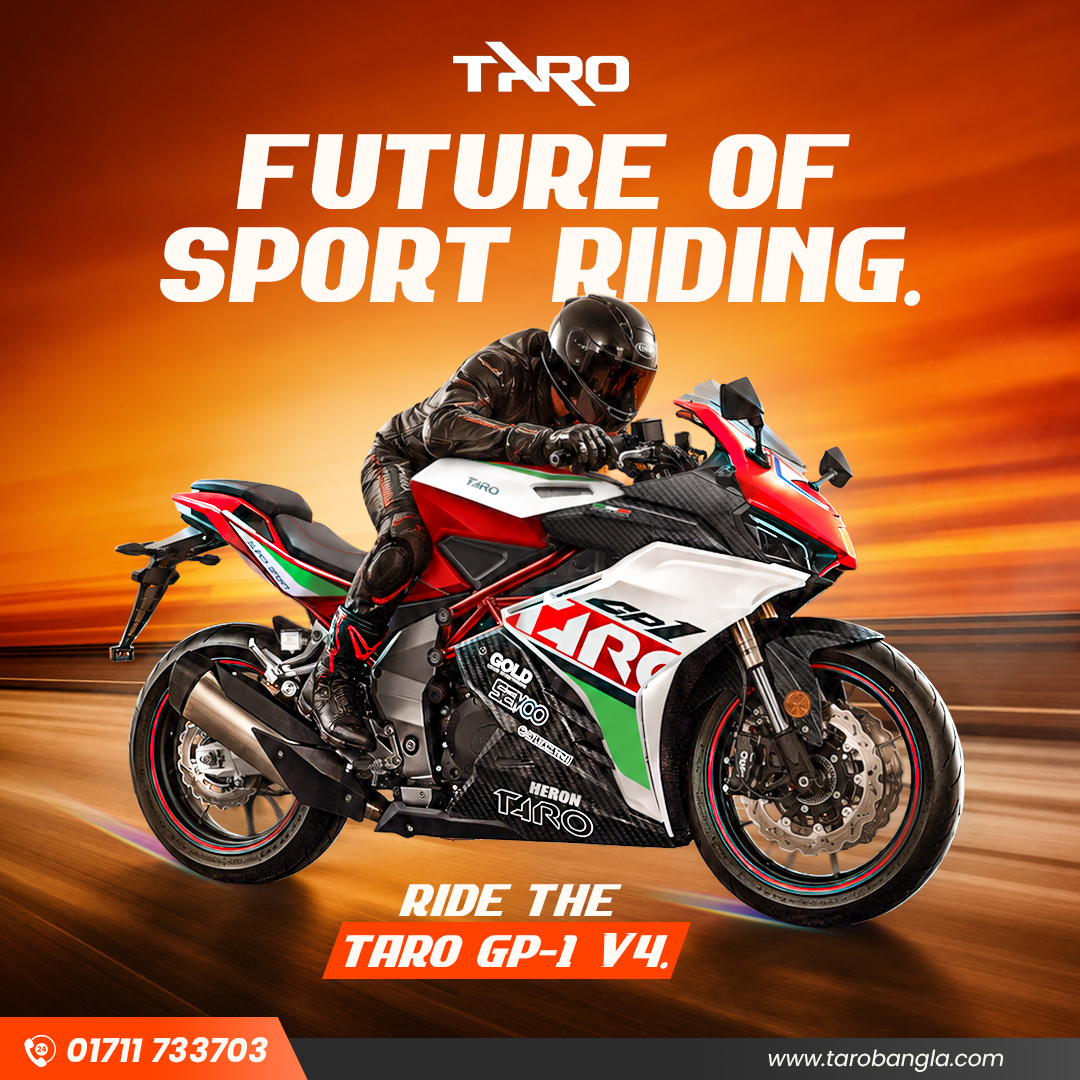
TARO GP1 Version 4
The GP1 Version 4 is the sportier option of the three, with a 165cc engine, dual-channel ABS, and a claimed top speed close to 130 km/h. It is not built primarily for comfort, but for riders who prioritize fast, confident highway stretches over cruiser-style ease, it holds its own on longer rides.
Riders choosing between these three should weigh comfort against character. The Grand Imola ADV 165 leans toward ease, the Ranger toward balance, and the GP1 V4 toward outright highway performance.
Practical Tips for a Comfortable Long Ride
Even the right bike benefits from a few smart habits. Planning fuel stops in advance avoids the stress of running low in an unfamiliar area, especially on rural stretches where petrol pumps are further apart.
Taking regular breaks matters more than most riders admit to themselves. Experienced long-distance riders, including the ones writing for RevZilla's Common Tread, consistently point out that stopping to stretch every couple of hours does more for comfort than any single piece of gear.
A test pack before the actual trip is worth the extra effort too. Loading the bike with the exact bags and weight planned for the journey, then riding a short distance, reveals balance issues and rubbing points before they become a problem two hundred kilometers from home.
Checking tyre pressure before departure is another small habit that pays off disproportionately. Underinflated tyres change how a bike handles under load, especially once luggage and a passenger are added to the equation, and the difference is far more noticeable on a long ride than a short one.
Route planning deserves a little more thought than simply picking the fastest road on a map app. Factoring in rest stops, fuel stations, and realistic riding hours, rather than pushing straight through, keeps a long trip enjoyable instead of becoming an endurance test.
Matching the Bike to the Kind of Trip You Actually Take
Not every long-distance rider is chasing the same kind of trip. Someone commuting a few hours to visit family on paved highways has different priorities than someone planning a multi-day trip across mixed road conditions.
For riders who stick mostly to highways and well-maintained roads, a slightly sportier long-distance bike can work well, since rough-road capability matters less than outright highway composure. For riders who expect broken roads, gravel patches, or unpredictable surfaces along the way, ground clearance and suspension travel become far more important than outright speed.
Being honest about the kind of riding actually planned, rather than the kind of riding that sounds exciting in theory, tends to produce a much better bike choice in the end.
Common Mistakes Riders Make When Choosing a Touring Bike
Buying based purely on looks is the most common mistake. A bike can look aggressive and touring-ready in photos while being genuinely uncomfortable to sit on for more than an hour.
Ignoring seat height and reach is another frequent misstep. A bike that feels fine on a five-minute test ride around the showroom can reveal cramped ergonomics only after a few real hours in the saddle.
Overlooking fuel range is easy to do when a bike otherwise seems like a good fit. Riders who skip this detail sometimes end up planning routes around fuel stops rather than around the actual journey they wanted to take.
FAQs
What is the most important feature in a bike for long-distance travel?
There is no single most important feature. Comfort, engine smoothness, and fuel range typically matter more together than any one of them does alone.
Is a higher cc engine always better for long rides?
Not necessarily. A well-tuned smaller engine with smooth, broad power can feel more comfortable on a long ride than a larger engine that is tuned aggressively.
Do adventure bikes make good long-distance travel bikes?
Yes, in most cases. Their upright riding position, higher ground clearance, and comfort-focused suspension are well suited to extended rides on varied road conditions.
Can a sports bike handle long-distance travel?
It can, but a forward-leaning riding position tends to cause more fatigue on very long rides compared to touring or adventure-style ergonomics.
How important is seat comfort for long rides?
Very important. Seat discomfort is one of the most common complaints on long rides, and it can turn an otherwise capable bike into an uncomfortable one.
What fuel range is good for long-distance riding?
A range that allows a rider to comfortably cover a few hours of riding between fuel stops is generally considered good, though this varies with the availability of fuel stations along the route.
Does bike weight affect long-distance comfort?
Yes. Heavier bikes tend to feel more planted at highway speed but can become tiring to manage in traffic or when maneuvering at low speed.
Which TARO bike is best suited for touring?
The Grand Imola ADV 165 leans most toward comfort-focused touring, while the Ranger offers a balanced option and the GP1 Version 4 suits riders who prioritize highway performance.
Conclusion
A good bike for long-distance travel is not defined by a single spec sheet number. It comes down to how the engine delivers its power, how the riding position holds up over hours, and how well the bike balances highway composure with everyday manageability.
Riders planning their next long trip should look past styling and test the things that actually matter after a few hours in the saddle, including seat comfort, wind protection, and fuel range.
The right bike will not just get a rider to the destination. It will make the ride there worth remembering for the right reasons.