
Commuter Bike vs Sports Bike: Which Is Better for Daily Riding?
Choosing the right motorcycle for daily riding is not only about appearance or engine power. Your daily route, traffic conditions, riding distance, fuel economy, comfort, maintenance cost, and performance all play an important role.
Two popular choices for riders are commuter bikes and sports bikes. While both can be used for everyday transportation, they are designed with different priorities in mind.
So, which is better for daily riding—a commuter bike or a sports bike? Let's compare them in detail.
What Is a Commuter Bike?
A commuter bike is designed primarily for practical, everyday transportation. These motorcycles generally focus on fuel efficiency, easy handling, comfort, reliability, and reasonable running costs.
Commuter motorcycles are particularly suitable for riders who travel regularly through busy city roads, traffic congestion, and frequent stop-and-go situations.
Key Features of Commuter Bikes
Some common characteristics include:
-
Good fuel efficiency
-
Comfortable upright riding position
-
Easy handling in traffic
-
Practical engine performance
-
Lower running costs
-
Convenient maintenance
-
Comfortable seating for regular use
Who Should Choose a Commuter Bike?
A commuter motorcycle can be a good choice if you:
-
Travel to work or university every day
-
Ride mainly in city traffic
-
Prioritize fuel economy
-
Want an easy-to-handle motorcycle
-
Prefer practical and economical transportation
What Is a Sports Bike?
A sports bike is designed with a stronger focus on performance, handling, acceleration, and sporty styling.
Sports motorcycles typically provide a more performance-oriented riding experience and can be attractive to riders who want their daily motorcycle to offer both practicality and excitement.
Key Features of Sports Bikes
Common features can include:
-
Performance-focused engine
-
Sporty styling
-
Responsive handling
-
Strong acceleration
-
Performance-oriented braking
-
Sportier riding position
-
Higher performance potential
Who Should Choose a Sports Bike?
A sports bike may be suitable if you:
-
Enjoy performance-oriented riding
-
Prefer sporty styling
-
Want stronger acceleration
-
Frequently ride on highways
-
Want a motorcycle suitable for both daily and recreational riding
Commuter Bike vs Sports Bike: Key Differences
The biggest difference is the priority behind each motorcycle.
|
Feature |
Commuter Bike |
Sports Bike |
|
Main Purpose |
Daily transportation |
Performance & sporty riding |
|
Riding Position |
Usually upright |
More performance-oriented |
|
Fuel Economy |
Usually higher |
Can be lower depending on model |
|
Performance |
Practical |
Higher performance focus |
|
City Traffic |
Excellent |
Good |
|
Highway Riding |
Good |
Excellent |
|
Handling |
Easy and predictable |
More responsive |
|
Maintenance |
Generally economical |
May cost more |
|
Styling |
Practical |
Sporty |
|
Best For |
Everyday commuting |
Performance + daily riding |
Which Is Better for City Riding?
For riders who spend most of their time in busy city traffic, a commuter motorcycle can have several advantages.
Frequent stopping, narrow roads, traffic congestion, and short-distance trips require a motorcycle that is easy to control and comfortable to ride.
A commuter bike generally offers:
-
Easy maneuverability
-
Comfortable ergonomics
-
Good fuel economy
-
Practical engine response
-
Lower everyday running costs
However, a sports bike can also work well in the city. Riders who prioritize acceleration, responsive handling, and sporty design may prefer a sports-oriented motorcycle.
The important thing is to consider how you actually ride, rather than choosing based only on the bike's appearance.
Which Offers Better Mileage?
Fuel economy is one of the most important considerations for daily riders.
Commuter motorcycles are generally designed with efficiency as a major priority. Their engine tuning, weight, gearing, and overall design can help make them economical for regular transportation.
Sports bikes, on the other hand, generally place greater emphasis on performance. Higher power output and performance-oriented riding can result in higher fuel consumption.
However, actual mileage depends on several factors, including:
-
Engine size
-
Riding speed
-
Traffic conditions
-
Acceleration habits
-
Motorcycle weight
-
Tyre condition
-
Engine maintenance
-
Riding environment
Therefore, don't judge mileage only by motorcycle type. Always check the specifications and real-world requirements of the particular model.
Which Is More Comfortable for Daily Riding?
Comfort becomes increasingly important when you spend hours on your motorcycle every week.
Commuter Bike Comfort
Commuter motorcycles generally use an upright riding position that can feel natural during everyday city riding.
This can be helpful for:
-
Frequent traffic stops
-
Short and medium-distance commuting
-
Everyday office or university trips
-
Riders who prefer a relaxed posture
Sports Bike Comfort
Sports bikes often use a more performance-oriented riding position. This can provide better control during spirited riding but may feel different from the relaxed posture of a commuter motorcycle.
For daily use, consider:
-
Seat height
-
Handlebar position
-
Footpeg position
-
Seat cushioning
-
Overall riding posture
A test ride is one of the best ways to determine whether a motorcycle feels comfortable for you.
Performance Comparison
Acceleration
Sports bikes generally focus more heavily on acceleration and performance. Riders who enjoy quick throttle response and stronger engine performance may prefer this category.
Commuter motorcycles focus more on smooth and practical power delivery for everyday conditions.
Handling
Commuter bikes are designed to be easy to control and maneuver, which is useful in city traffic.
Sports bikes typically emphasize responsive handling and performance-oriented control, particularly when cornering or riding at higher speeds.
Braking
Braking performance is important for both types of motorcycles.
When choosing a bike, consider:
-
Front and rear brake type
-
Brake feel
-
Tyre grip
-
ABS availability
-
Overall braking performance
Regardless of motorcycle type, good braking and responsible riding are essential for safety.
Which Is Better for Highway Riding?
For frequent highway riders, performance and stability become more important.
A sports bike can be attractive for highway riding because of its performance-oriented engine, acceleration, and handling characteristics.
A commuter bike can also handle highway travel, particularly when the rider prioritizes fuel economy and relaxed riding over performance.
For regular highway trips, look for:
-
Adequate engine performance
-
Stable handling
-
Good braking
-
Comfortable seating
-
Suitable suspension
-
Sufficient fuel range
Maintenance and Ownership Cost
The purchase price is only one part of motorcycle ownership.
You should also consider:
-
Engine oil
-
Tyres
-
Brake pads
-
Chain and sprocket
-
Battery
-
Regular servicing
-
Fuel consumption
-
Replacement parts
Commuter bikes are generally designed around economical everyday ownership.
Sports bikes may involve higher running costs depending on their engine, tyres, performance components, and maintenance requirements.
Before buying, calculate the total cost of ownership, not just the initial purchase price.
Does Engine CC Matter for Daily Riding?
Yes, but higher engine capacity does not automatically mean a better motorcycle.
Smaller Engine Bikes
Smaller-engine motorcycles can be suitable for:
-
City commuting
-
Short-distance travel
-
Fuel-conscious riders
-
Beginner riders
Mid-Range Engine Bikes
Mid-range motorcycles can offer a balance between:
-
Performance
-
Mileage
-
Highway capability
-
Everyday practicality
Higher-Performance Bikes
Higher-capacity motorcycles may be more suitable for riders who regularly want:
-
Stronger acceleration
-
Highway performance
-
Touring capability
-
Higher performance
The best engine size depends on your daily route, riding experience, budget, and performance requirements.
Which TARO Bike Fits Your Riding Style?
TARO offers motorcycles designed for different riding preferences. Instead of choosing a motorcycle only by category, consider how you plan to use it.
TARO GP 2
The TARO GP 2 is a sports-oriented option for riders who value sporty design and performance-focused riding.
It can be considered by riders looking for a more engaging motorcycle experience while still wanting a bike for regular use.
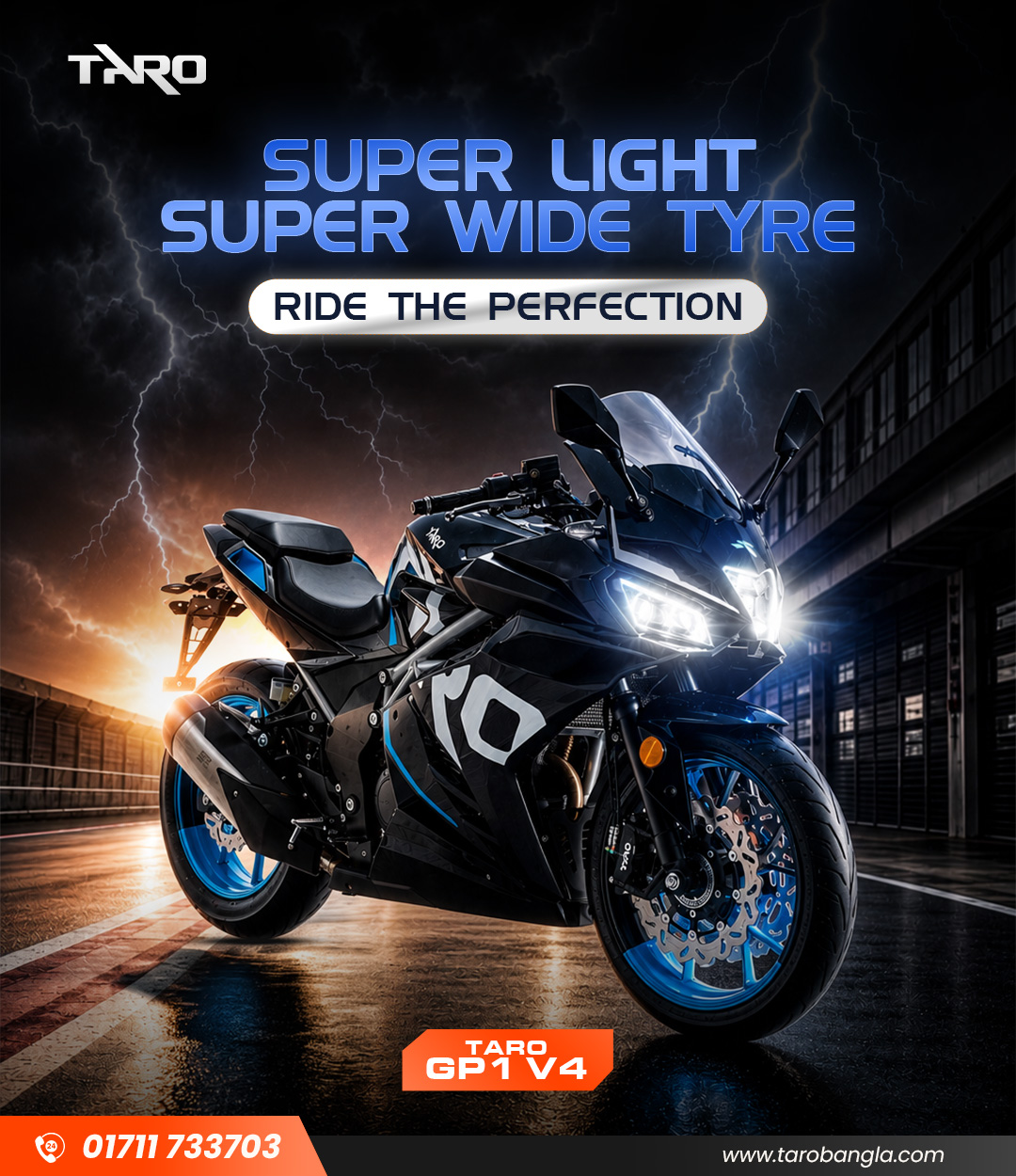
TARO GP1 Version 4
The TARO GP1 Version 4 is another sports-oriented option within TARO's range.
It can appeal to riders who prefer sporty styling and a performance-focused riding experience.
TARO Grand Imola ADV 165
The TARO Grand Imola ADV 165 is an adventure-oriented motorcycle in the 165cc category.
Its ADV-focused design makes it relevant for riders looking for versatility across city riding, highway travel, and longer journeys.
TARO Ranger
The TARO Ranger is suited to riders interested in adventure and touring-oriented riding.
It can be a strong option for riders who want a motorcycle that fits longer rides and more varied riding conditions.
Commuter Bike vs Sports Bike: Which Should You Choose?
There is no single answer that works for every rider.
Choose a Commuter Bike If You Prioritize:
-
Fuel efficiency
-
Low running costs
-
Comfortable city riding
-
Easy handling
-
Everyday practicality
-
Frequent short-distance travel
Choose a Sports Bike If You Prioritize:
-
Performance
-
Acceleration
-
Sporty styling
-
Responsive handling
-
Highway riding
-
A more exciting riding experience
If you mainly travel through congested city roads every day, practicality and fuel economy may matter more.
If you want your daily motorcycle to provide stronger performance and a sporty experience, a sports bike may be the better match.
Frequently Asked Questions
Is a sports bike good for daily commuting?
Yes. A sports bike can be used for daily commuting, but its suitability depends on its ergonomics, engine characteristics, traffic conditions, and your personal comfort.
Which is better for city riding, a commuter or sports bike?
A commuter bike is generally more practical for heavy city traffic because of its comfort, easy handling, and focus on efficiency. A sports bike can still be suitable for riders who prioritize performance.
Which type of bike gives better mileage?
Commuter motorcycles generally prioritize fuel economy, but actual mileage varies according to engine size, riding style, traffic, maintenance, and motorcycle specifications.
Are sports bikes expensive to maintain?
Maintenance costs vary by model. Sports-oriented motorcycles can have higher running costs depending on tyres, engine components, servicing requirements, and riding habits.
Which bike is more comfortable for daily riding?
For most riders focused on everyday commuting, a comfortable commuter motorcycle can be easier to live with. However, comfort is highly personal, so a test ride is recommended.
Which bike is better for highway riding?
Sports bikes can be a good choice for riders who prioritize performance and acceleration. A suitable adventure or commuter motorcycle can also perform well on highways depending on its specifications.
What engine CC is best for daily commuting?
There is no universal engine size. Choose an engine capacity based on your traffic conditions, daily distance, desired performance, fuel economy, and budget.
Conclusion
Choosing between a commuter bike and a sports bike ultimately comes down to your riding needs.
A commuter motorcycle is generally the practical choice for riders who prioritize mileage, comfort, easy handling, and economical daily transportation.
A sports bike is more suitable for riders who want performance, acceleration, sporty styling, and responsive handling alongside everyday usability.
Before making your decision, consider your daily distance, road conditions, engine requirements, comfort, fuel economy, maintenance costs, and riding style. The right motorcycle is not necessarily the most powerful one—it is the one that fits the way you actually ride.