
How to Choose a Bike Based on Your Riding Style
Two people can walk into the same showroom with the same budget and walk out needing completely different motorcycles. One spends most of the day weaving through Dhaka traffic between office and home. The other rides highways every weekend, chasing longer trips and open stretches of road. Handing both of them the same bike would leave at least one of them unhappy within a month.
That is the core idea behind this guide. Riding style, not brand loyalty or a spec sheet, should be the first filter you apply when shopping for a motorcycle. Get that part right, and everything else, comfort, mileage, performance, tends to fall into place on its own.
Why Your Riding Style Matters When Choosing a Bike
A bike built for one kind of riding often performs poorly at another. A sportbike tuned for aggressive cornering can feel exhausting in bumper-to-bumper traffic. A soft commuter bike, on the other hand, will struggle to feel stable once you push it past 90 km/h on the highway.
City, highway, and long-distance riding each place different demands on a motorcycle. Comfort and riding position shift depending on how long you stay in the saddle at a stretch. Performance requirements change too. A rider chasing overtakes on a highway needs more from the engine than someone crawling through a signal every two minutes. Fuel efficiency and maintenance costs matter more the more you ride, and handling needs differ sharply between a narrow city lane and an open rural road. None of these factors work in isolation, which is exactly why matching bike to style, rather than style to bike, produces better results.
Different Types of Motorcycle Riding Styles
Most riders fall into one of five broad categories, even if they occasionally borrow habits from another.
Daily City Commuting
City commuting means heavy traffic, frequent stops, and constant low-speed maneuvering. What matters here is easy handling, a bike light enough to filter between cars without effort, and a riding position you can hold comfortably through a slow crawl. A practical, moderate engine size keeps mileage strong without sacrificing the small bursts of acceleration you need at every signal.
Highway Riding
Highway riding rewards a completely different skill set from the bike. Stability at higher speeds becomes the priority, since a twitchy chassis gets tiring and unsafe past 80 km/h. Engine performance needs enough reserve for confident overtaking, and braking has to inspire real trust, not just work adequately. Rider comfort over sustained speed, rather than short bursts, also becomes noticeably more important.
Long-Distance Touring
Touring is less about speed and more about endurance. Comfortable ergonomics that do not punish your back or wrists after two or three hours make the difference between an enjoyable trip and a painful one. Suspension tuned for absorbing bumps rather than sharp handling, a fuel tank large enough to avoid frequent stops, and an engine that can hold a steady cruising speed without straining all matter here, alongside your own physical riding endurance.
Adventure Riding
Adventure riding covers everything from broken village roads to light off-road stretches. Ground clearance and generous suspension travel become essential once the surface turns unpredictable. Riding position tends to sit more upright, giving better visibility and control, while tyres need to handle a mix of tarmac and rougher terrain without falling apart. Versatility across different road conditions is really the defining trait of this style.
Sports & Performance Riding
Sports and performance riding is built entirely around extracting the most from the machine. Sharp acceleration, strong power and torque, precise handling, and confident braking all matter more here than comfort. The aggressive, forward-leaning riding position that comes with most sportbikes is a deliberate trade-off, sacrificing all-day comfort for control at speed and in corners.
How to Match Your Riding Style With the Right Bike
|
Riding Style |
Recommended Bike Type |
Important Features |
|---|---|---|
|
City commuting |
Commuter / Street |
Mileage, handling, comfort |
|
Highway |
Street / Sports |
Stability, power, braking |
|
Touring |
Touring / Adventure |
Comfort, range, suspension |
|
Adventure |
ADV |
Ground clearance, suspension |
|
Performance |
Sports |
Power, handling, braking |
Use this table as a starting filter, not a final answer. Plenty of riders mix two styles, commuting daily but touring occasionally on weekends, and in that case it usually makes sense to lean toward whichever style you practice more often.
How Engine CC Affects Your Riding Style
Engine capacity shapes what a bike is actually good at, and different riding styles call for different ranges.
100–125cc
This range suits city-focused riding almost perfectly. It keeps running costs low, delivers strong economy, and stays forgiving enough for beginner riders still getting comfortable with traffic and low-speed balance.
150–160cc
Bikes in this range strike a workable balance between city and highway use. You get noticeably better performance than a small commuter without losing too much on the mileage side, which is why this segment covers the widest range of everyday riders.
165cc and Above
Once you cross into this bracket, you get real highway and touring suitability, along with more power for demanding riding conditions. It is worth knowing where local rules stand here. Imported bikes above 165cc remain restricted, but locally manufactured and assembled motorcycles up to 375cc have been legally permitted since early 2025, as detailed in BanglarBike's coverage of the updated CC policy. That change is exactly why more 165cc to 250cc options, built and assembled locally, have started showing up in Bangladesh over the past couple of years.
Other Factors to Consider Before Choosing a Bike
Riding style narrows the category, but a few physical and mechanical details decide whether a specific bike actually fits you.
Seat Height
Your height and how comfortably you can plant your feet down decide whether a bike feels confident or unnerving at a stop. Foot reach that leaves you on your toes rather than flat-footed chips away at your confidence over time, especially in stop-and-go traffic.
Bike Weight
A lighter bike is easier to maneuver through city gaps and easier to manage when you are walking it backward out of a parking spot. A heavier bike, on the other hand, tends to feel more planted and stable once you are cruising on the highway.
Suspension
Suspension tuning needs to match where you actually ride. Firmer setups suit highway comfort and cornering, softer setups absorb the rough patches common on city roads, and adventure riding needs the extra travel to handle uneven or broken surfaces without punishing the rider.
Braking System
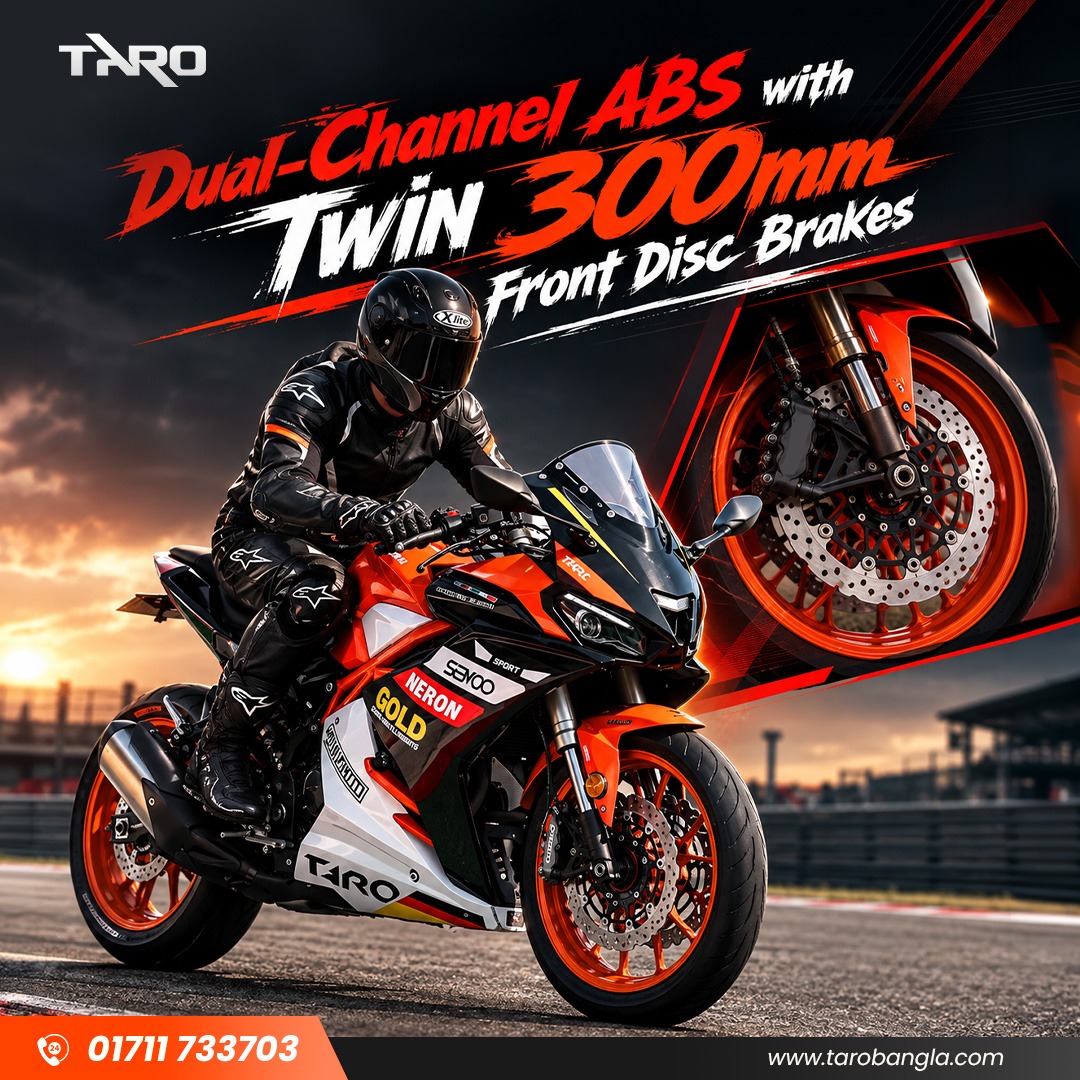
Disc brakes paired with ABS make a measurable difference during emergency braking, particularly on wet roads or when a vehicle cuts in unexpectedly, which happens often enough on Bangladeshi roads to matter for almost every rider.
Fuel Efficiency
Daily commuting rewards strong mileage since you are filling the tank often. Long-distance riding cares more about range per tank than the mileage figure alone. Either way, fuel efficiency feeds directly into your running costs over the life of the bike.
A useful general reference point here is how manufacturers think about rider fit. Harley-Davidson's own ergonomics guidance describes the "triangle of comfort" formed by handlebars, footpegs, and seat, and stresses that this triangle needs to suit your body, not the other way around. The same principle applies regardless of brand or price point.
Which TARO Bike Fits Your Riding Style?
Once you know your riding style, it becomes much easier to see where a specific lineup fits. Taro's current range spans touring, ADV, and sports-focused riders.
Taro Ranger
The Taro Ranger 165 is built with adventure and touring-oriented riders in mind, suited to long-distance riding and versatile enough for varied riding conditions rather than one narrow use case.
Taro Grand Imola ADV 165
The Grand Imola ADV 165 is aimed at ADV-focused riders who want one bike that reasonably covers city, highway, and light adventure use, backed by genuine 165cc performance rather than a scooter tuned purely for convenience.
Taro GP2
The Taro GP2 targets sports-oriented riders after a performance-focused, sporty riding experience without committing to the larger displacement of the flagship model.
Taro GP1 Version 4
The Taro GP1 Version 4 is built for riders specifically looking for a sports-oriented motorcycle, pairing performance with a genuinely sporty design rather than styling alone.
Common Mistakes When Choosing a Bike
A handful of avoidable mistakes account for most of the buyer's remorse people run into after a few months of ownership.
-
Choosing a bike based only on appearance, without checking whether it fits your actual riding pattern.
-
Buying a high-CC bike without genuinely needing that level of performance for daily use.
-
Ignoring seat height and weight, then struggling with confidence at every stop.
-
Ignoring maintenance costs until the first major service bill arrives.
-
Not taking a test ride before finalizing the purchase.
-
Choosing performance over comfort in situations where comfort should clearly have been the priority.
How to Test a Bike Before Buying
A short test ride, done properly, tells you more than any spec sheet ever will.
-
Check riding position and whether it feels natural within the first minute or forced and uncomfortable.
-
Test acceleration from a standstill, not just cruising speed.
-
Test braking, ideally including one firm, controlled stop, to gauge how confident the system feels.
-
Check clutch and gearbox action, since notchy or vague shifts get tiring fast in daily traffic.
-
Evaluate handling through at least one turn or lane change, not just a straight line.
-
Check comfort, including seat feel and vibration, especially if you plan to ride for long stretches.
Quick Guide to Choosing Your Bike
If you mainly ride in the city, prioritize comfort, handling, and mileage.
If you regularly ride highways, prioritize stability, braking, and engine performance.
If you enjoy long trips, prioritize comfort, suspension, and fuel range.
If you enjoy adventure riding, prioritize ground clearance, suspension, and versatility.
If you prioritize performance, prioritize power, torque, handling, and braking.
FAQs
Which type of bike is best for city riding?
A lightweight commuter or street bike with good mileage and easy low-speed handling generally works best for daily city riding.
Which bike is best for long-distance riding?
Touring or adventure-style bikes, built with comfortable ergonomics, larger fuel tanks, and suspension tuned for comfort, handle long distances better than city commuters.
Is a sports bike suitable for daily commuting?
It can work, but the aggressive riding position and firmer suspension tend to feel tiring in slow, stop-and-go traffic over a full day.
What engine CC is suitable for highway riding?
Most riders find 150cc to 250cc gives enough performance for confident highway riding, including safe overtaking at higher speeds.
Is an adventure bike good for city riding?
Yes, though its taller seat height and more upright stance may feel slightly less nimble than a dedicated commuter in very tight traffic.
How does riding style affect bike selection?
Riding style determines which specifications actually matter for you, whether that is mileage and handling for city riding or power and suspension for touring and adventure use.
Should beginners choose a high-CC motorcycle?
Generally no. Starting with a smaller, more manageable engine helps new riders build confidence and control before moving up to higher performance.
Conclusion
Your riding style should be the starting point for choosing a motorcycle, not an afterthought once you have already fallen for a particular look or price tag. Purpose, engine size, comfort, performance, safety, and maintenance all need to be weighed together, since focusing on just one usually means compromising on the rest.
Once you have a clear sense of how you actually ride, it is worth comparing suitable Taro models against that profile, and reaching out through Contact Us to book a test ride before deciding.