
Best Bike Types for City, Highway and Long-Distance Riding
Best Bike Types for City, Highway and Long-Distance Riding
Bangladesh does not have one kind of road. A commute through Mirpur or Motijheel looks nothing like a stretch of the Dhaka-Chattogram highway, and neither resembles the district roads you would take on a weekend trip to Sylhet or Rangamati. The Roads and Highways Department manages more than 22,000 kilometres of national, regional, and district roads across the country, according to the Digital Logistics Capacity Assessment, and each category behaves differently under two wheels.
A bike that feels perfect in city traffic can feel out of its depth on an open highway, and a highway-friendly bike can feel oversized and stiff in a narrow city lane. This guide breaks down which bike types actually suit which roads, so you can match your choice to where you really ride instead of where you imagine riding on weekends.
What Makes a Bike Suitable for Different Types of Riding?
A handful of factors decide how well a motorcycle handles a given type of road, and they matter in different proportions depending on the terrain.
Engine performance decides how confidently a bike accelerates and holds speed. Fuel efficiency shapes your running cost, more critical the more distance you cover. Riding position affects comfort over both short commutes and long stretches, while suspension quality determines how well the bike absorbs bad patches of road, which Bangladesh has no shortage of. Handling and braking govern how the bike responds when traffic gets unpredictable, and ground clearance matters the moment the road surface turns rough or uneven.
Weight influences how easy a bike is to manage at low speed versus how stable it feels at higher speed. Fuel tank capacity decides how often you need to stop on a longer ride, and comfort, ultimately, ties all of the above together into how the bike actually feels after an hour or three in the saddle.
Best Bike Types for City Riding
City riding is defined by stop-start traffic, tight gaps, and constant low-speed control, which narrows down what actually works well.
Commuter Bikes
Commuter bikes are built specifically around this environment. They tend to be lightweight and easy to handle, which matters enormously when you are threading between buses and rickshaws. Good fuel efficiency keeps daily running costs low, and lower maintenance costs make them practical for riders who use the bike every single day rather than occasionally.
Street Bikes
Street bikes sit a step above pure commuters, offering more balanced performance while staying easy to maneuver through urban roads. They remain comfortable for city use but also handle short and medium-distance rides beyond the daily commute more capably than a basic commuter model.
What to Look for in a City Bike?
A handful of specifics separate a good city bike from an average one: strong mileage, a genuinely comfortable seat for repeated short trips, easy low-speed handling, a suitable engine size that avoids wasted performance, good braking for sudden stops in traffic, and low maintenance so the bike does not become a hassle between services.
Best Bike Types for Highway Riding
Highway riding shifts the priorities almost entirely. Speed, stability, and confidence under braking start to matter more than mileage or low-speed agility.
Sports Bikes
Sports bikes bring strong acceleration and genuine higher-speed stability, both useful once you are cruising well above city speeds. Responsive handling makes overtaking and lane changes feel controlled rather than nervy, which is exactly the kind of performance-oriented riding highways call for.
Street/Performance Bikes
Not every highway rider wants a full sportbike commitment, and street or performance bikes offer a workable middle ground. They balance performance with everyday practicality, staying comfortable enough for regular highway trips while still delivering suitable engine performance when you need it.
What to Look for in a Highway Bike?
The specifics that matter most here are engine power and torque for confident overtaking, real stability at sustained speed, strong braking performance, suspension that keeps the bike planted, sufficient fuel tank capacity to avoid frequent stops, and rider comfort that holds up over longer stretches at speed.
Best Bike Types for Long-Distance Riding
Long-distance riding rewards endurance over raw speed, and the bikes suited to it reflect that.
Touring Bikes
Touring bikes are designed specifically for extended rides. Comfortable ergonomics reduce fatigue over hours in the saddle, a good fuel range cuts down on stops, and a rider-friendly seating position keeps you from arriving stiff and sore at the destination.
Adventure Bikes
Adventure bikes bring a slightly different strength to long-distance riding: versatility. They handle highways capably while also managing varied road conditions, thanks to higher ground clearance and long-travel suspension. An upright riding position adds comfort on longer rides, and the overall package tends to perform well whether the road stays smooth or turns rough halfway through.
What to Look for in a Long-Distance Bike?
Look for a genuinely comfortable riding position, quality suspension that will not beat you up over hundreds of kilometres, enough fuel tank capacity to reduce stops, solid engine performance for sustained cruising, adequate ground clearance for unpredictable surfaces, some degree of wind protection, and storage options for luggage if you are touring for more than a day.
City vs Highway vs Long-Distance Bikes
|
Factor |
City Riding |
Highway Riding |
Long-Distance Riding |
|---|---|---|---|
|
Bike Type |
Commuter/Street |
Sports/Street |
Touring/Adventure |
|
Priority |
Mileage & handling |
Stability & performance |
Comfort & range |
|
Engine |
Small–mid CC |
Mid–high CC |
Mid–high CC |
|
Weight |
Lightweight |
Moderate |
Moderate–heavy |
|
Suspension |
Comfortable |
Stable |
Long-travel/comfortable |
|
Riding Position |
Upright |
Sporty/neutral |
Upright |
This table is a useful starting point, but real riding patterns rarely stay in one lane. A rider who commutes daily and tours twice a year should weigh the daily use case more heavily than the occasional trip.
Which Engine Size Is Suitable for Each Type of Riding?
Engine capacity should follow your riding pattern, not the other way around.
100–125cc
This range is mainly suited to city commuting, where fuel economy and beginner-friendly handling matter more than outright performance.
150–160cc
This bracket handles both city and highway riding reasonably well, offering a balanced mix of performance and economy that suits riders who split their time between the two.
165cc and Above
This is where highway and long-distance riding start to feel genuinely comfortable, with more performance and flexibility for touring and adventure-oriented use. It is worth noting that imported bikes above 165cc remain restricted in Bangladesh, while locally manufactured and assembled motorcycles up to 375cc have been permitted for road use since January 2025, as reported by BanglarBike. That policy shift is a big part of why more 165cc-plus options built for touring and adventure use have started appearing locally.
Best TARO Bikes for Different Riding Needs
Matching category to road type gets easier once you look at how a specific lineup is built. Taro's current models map fairly cleanly onto the categories above.
Taro Ranger
The Taro Ranger 165 is suitable for adventure and touring-oriented riders, built for long-distance and versatile riding rather than a single narrow use case.
Taro Grand Imola ADV 165
The Grand Imola ADV 165 is an adventure-focused motorcycle suitable for city, highway, and longer rides, backed by genuine performance in the 165cc category rather than convenience alone.
Taro GP2
The Taro GP2 is a sports-oriented option, better suited to riders who prioritize sporty performance over long-distance comfort.
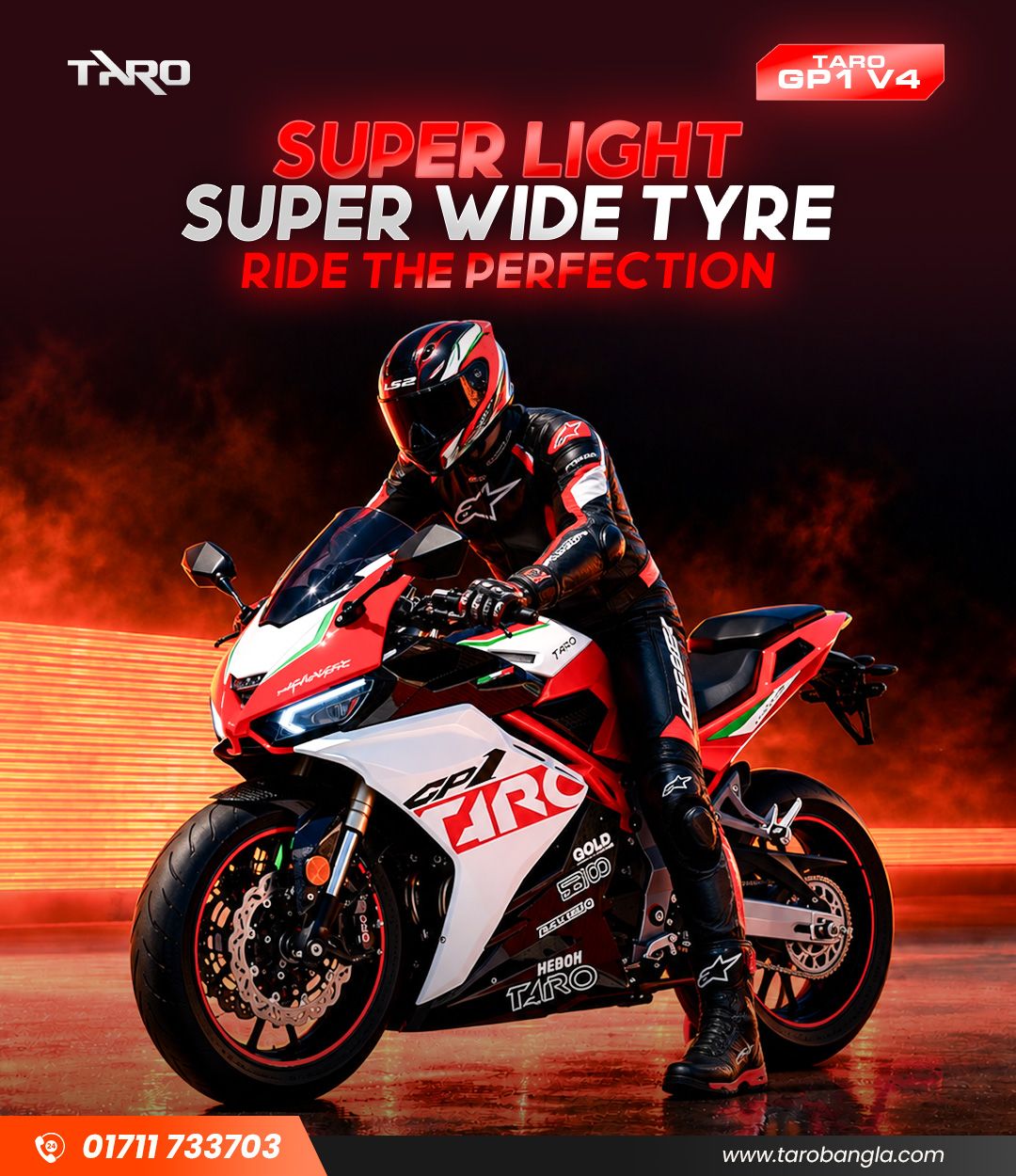
Taro GP1 Version 4
The Taro GP1 Version 4 is built for sports-oriented riding, suitable for riders looking for both performance and sporty styling in a single package.
How to Choose the Right Bike for Your Riding Distance
Short daily trips, generally under 15 kilometres, are best served by a light commuter with strong mileage. Medium-distance commuting, covering longer city-to-suburb routes, benefits from a street bike that balances comfort with slightly more performance.
Regular highway rides call for a bike with genuine stability and braking confidence at higher speeds, since occasional highway trips do not justify the same investment as riders who do this weekly. Weekend touring rewards comfort and range over raw speed, while genuine long-distance travel, covering multiple days and varied terrain, is really where a proper touring or adventure bike earns its price difference over a standard commuter.
Common Mistakes When Choosing a Bike
A few recurring mistakes show up across most categories of buyer.
-
Choosing a bike only by appearance, without checking whether it suits your actual routes.
-
Buying more power than necessary, then paying for it in fuel and insurance without ever using it.
-
Ignoring comfort, especially for anyone who rides more than a short daily commute.
-
Ignoring fuel economy until the first few tank refills reveal the real running cost.
-
Not considering road conditions on your typical routes, particularly during monsoon season when surfaces change quickly.
-
Not taking a test ride before finalizing the decision.
FAQs
Which type of bike is best for city riding? A lightweight commuter or street bike with strong mileage and easy low-speed handling is generally the best fit for daily city riding.
Which bike type is best for highway riding? Sports bikes and street/performance bikes, with strong acceleration, stability, and braking, tend to perform best on highways.
What type of motorcycle is best for long-distance riding? Touring and adventure bikes, built around comfortable ergonomics, larger fuel tanks, and capable suspension, are the better choice for long-distance riding.
Is a sports bike good for highway riding? Yes, sports bikes are well suited to highway riding thanks to their strong acceleration, stability at speed, and responsive handling.
Is an adventure bike suitable for city riding? It can work, though its taller stance and slightly greater weight make it a bit less nimble than a dedicated commuter in dense traffic.
What engine CC is suitable for long-distance riding? Bikes in the 165cc and above range generally offer the performance and comfort needed for genuine long-distance and touring use.
Which bike type is most comfortable for touring? Touring bikes, designed specifically around ergonomics, fuel range, and rider-friendly seating, tend to be the most comfortable choice for extended trips.
Conclusion
There is no single best bike type for every rider, no matter how confidently a showroom salesperson might claim otherwise. The right choice depends on road type, riding distance, comfort needs, performance expectations, mileage, and how much maintenance you are willing to take on.
Match the motorcycle to your actual riding needs first, then compare specific models against that profile. If your routes span city traffic, highway stretches, or longer trips, it is worth reviewing Taro's full lineup and reaching out through Contact Us to arrange a test ride before deciding.